English
 Deutsch
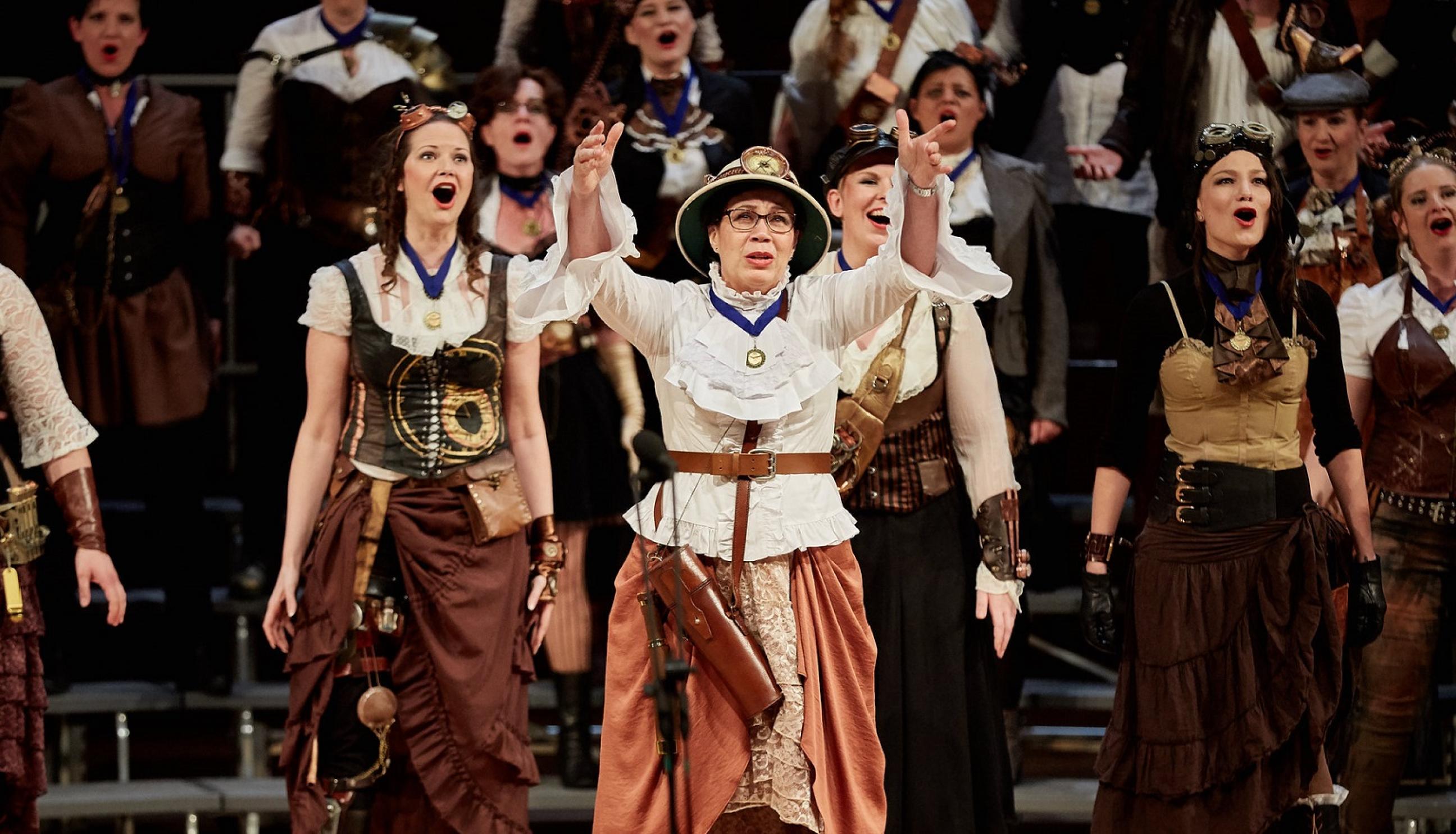
Aktuelle Veranstaltungen & News
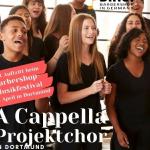
BinG! Barbershop Musikfestival 2024 I in Dortmund
19. - 21. April 2024
im Goldsaal der Westfalenhallen in Dortmund.

BinG! Harmony College 2024 I in Oberwesel
Das Zentrum unseres Verbandes bildet das jährlich stattfindende Harmony College. In lockererund angenehmer Atmosphäre lernen wir hier von den Besten und erfreuen uns am Afterglow! Von Do., 03.10. bis So., 06.10.2024 in Rheintal-Jugendherberge Oberwesel
Der Ticketverkauf hat noch nicht begonnen. Wir bitten Euch noch um etwas Geduld.
BinG - Barbershop in Germany
Informationen zum Musikstil und unserem Verband kurz zusammengefasst.
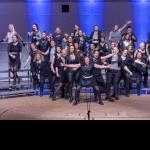
Barbershop-Gesang ist ein US-amerikanischer A-cappella-Musikstil, der Anfang des 20. Jahrhunderts entstand und seitdem gehegt und gepflegt wird. Weltweit gibt es - vor allem in den englischsprachigen Ländern - verschiedene Barbershop-Organisationen, welche sich früher ausschließlich dem rein männlich oder rein weiblich besetzten Barbershopgesang verschrieben hatten. Nach und nach findet jedoch ein Umdenken und eine Öffnung für gemischt gesungenen Barbershop statt.
Der deutsche Barbershop-Verband BinG! (Barbershop in Germany) hat sich früh als Organisation für Chöre und Quartette in jeglicher, auch gemischter Besetzung, begriffen und nimmt weltweit eine Vorreiterposition für gemischten Barbershopgesang ein. Mit zahlreichen Veranstaltungen und Aktivitäten trägt der Verband dazu bei, den Austausch von Erfahrungen und Kenntnissen zu verbessern, was u. a. zu einer deutlichen Qualitätssteigerung in den Gruppen geführt hat - sicherlich einer der Gründe, warum die Barbershop-Musik in der deutschen A-cappella-Szene immer bekannter wird.
Nachfolgend kannst du dich über unseren Verband, unsere Mitglieder und Barbershopgesang allgemein informieren!
Unsere Mitglieder
Du möchtest mitsingen oder eine Gruppe in deiner Nähe erleben? Dann schau doch einfach mal bei einem unserer Mitgliedsensembles vorbei!
Umfassende Leistungen
Wir bieten unseren Mitgliedern eine Vielzahl von attraktiven Leistungen. Eine Übersicht findet sich hier:
Weiterbildung
Wir bieten eine Vielzahl an Fort- und Weiterbildungsmöglichkeiten für unsere Mitglieder an. Schau doch einfach mal vorbei!
Newsletter
Du möchtest über unsere Veranstaltungen informiert werden? Dann melde dich hier zu unserem Newsletter an.
Termine
| Titel | Terminart | Veranstalter | Zeit | Adresse |
|---|---|---|---|---|
| BarberKadabra und Klangküsse bei hr2-Kultur "Ein Tag für die Musik" | Konzert | BarberKadabra | Sonntag, 5. Mai 2024 - 12:00 | 55252 Mainz-Kastel |
Neues von BinG!
|
|
||||||
|
|
||||||
|
|
||||||
|
|